
To use Redis with .NET, install the StackExchange.Redis NuGet package, create a
ConnectionMultiplexer, and call commands like StringSet and StringGet on the IDatabase object. StackExchange.Redis is the most widely adopted C# Redis client, built by the team behind StackOverflow.#What you'll learn
- How to install the StackExchange.Redis NuGet package
- How to connect to Redis from a .NET application using
ConnectionMultiplexer - How to perform basic CRUD operations (strings, lists, sets, hashes)
- Best practices for managing Redis connections in production
#Prerequisites
- .NET 6+ SDK (or .NET Core 3.1+)
- A running Redis instance — start one locally with Docker (
docker run -p 6379:6379 redis) or use Redis Cloud - An IDE such as Visual Studio, Rider, or VS Code
#How do I install StackExchange.Redis?
There are several ways to add the package to your project.
#.NET CLI
Run the following in the directory of the
.csproj file you want to add the package to:#Package Manager Console
Run the following command from the Package Manager Console:
#Package Reference
You can also add the package directly to your
.csproj file:#NuGet GUI
If you're using Visual Studio and prefer a graphical interface, follow the steps outlined by Microsoft and search for StackExchange.Redis.
#How do I connect to Redis from .NET?
First, import the namespace:
Then initialize the ConnectionMultiplexer. This is the central object for communicating with Redis. Your application should maintain a single instance throughout its lifetime — it is thread-safe and designed to be reused.
A typical connection string follows the format
HOST:PORT,password=PASSWORD:Once you have a multiplexer, get a reference to the database:
#ConnectionMultiplexer best practices
- Create one
ConnectionMultiplexerand reuse it for the lifetime of the application. - Register for the
ConnectionFailedandConnectionRestoredevents to monitor connectivity. - In ASP.NET Core, register the multiplexer as a singleton in the dependency injection container.
#How do I perform CRUD operations with C# and Redis?
#Ping the database
#String operations — get and set
Set a string value:
Get a string value:
#List operations
Push to a list:
Pop from a list:
#Set operations
Add members to sets:
Compute the union of two sets:
#Hash operations
Add fields to a hash:
Get a single field:
Get all fields:
#Sample .NET and Redis applications
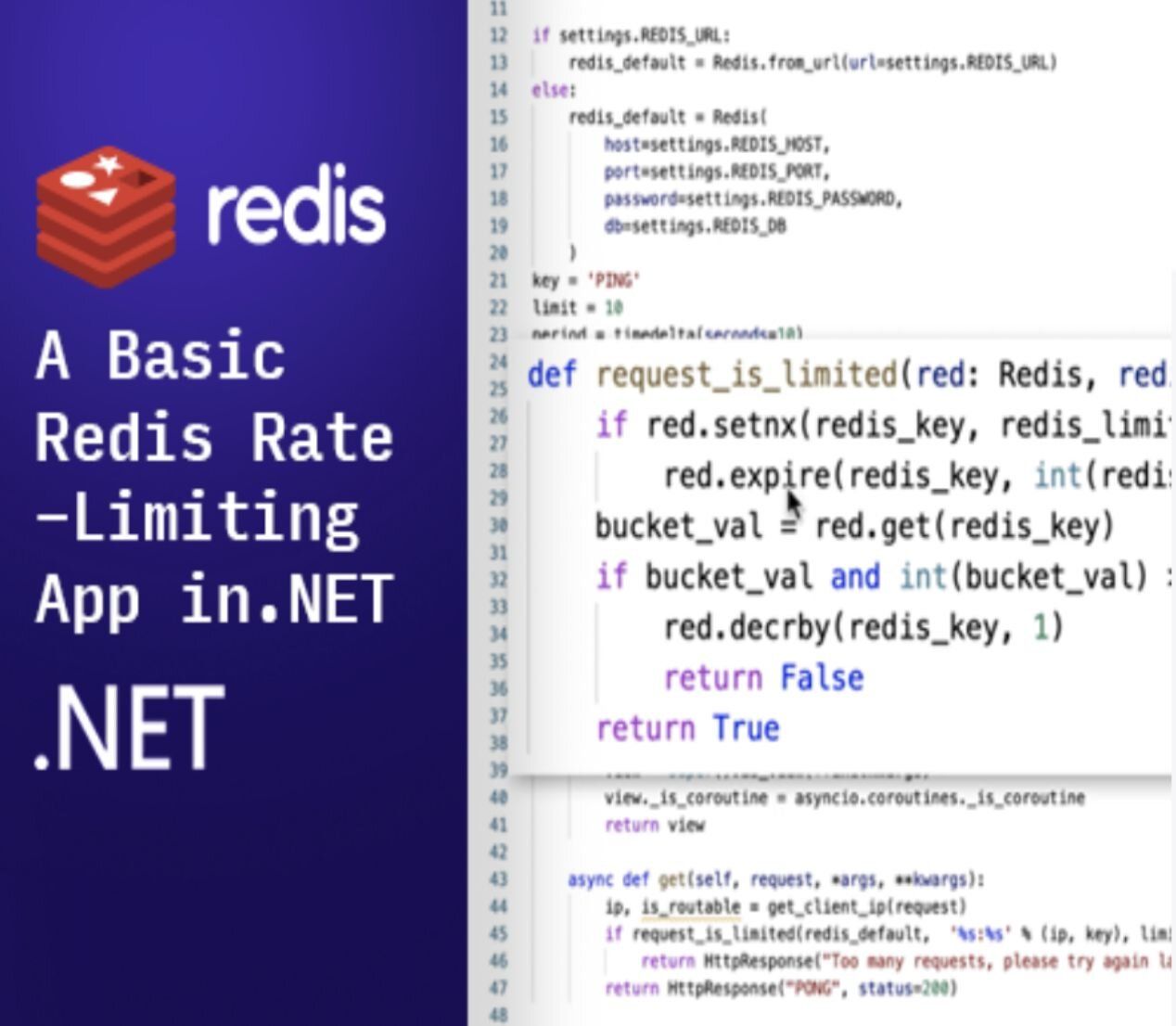
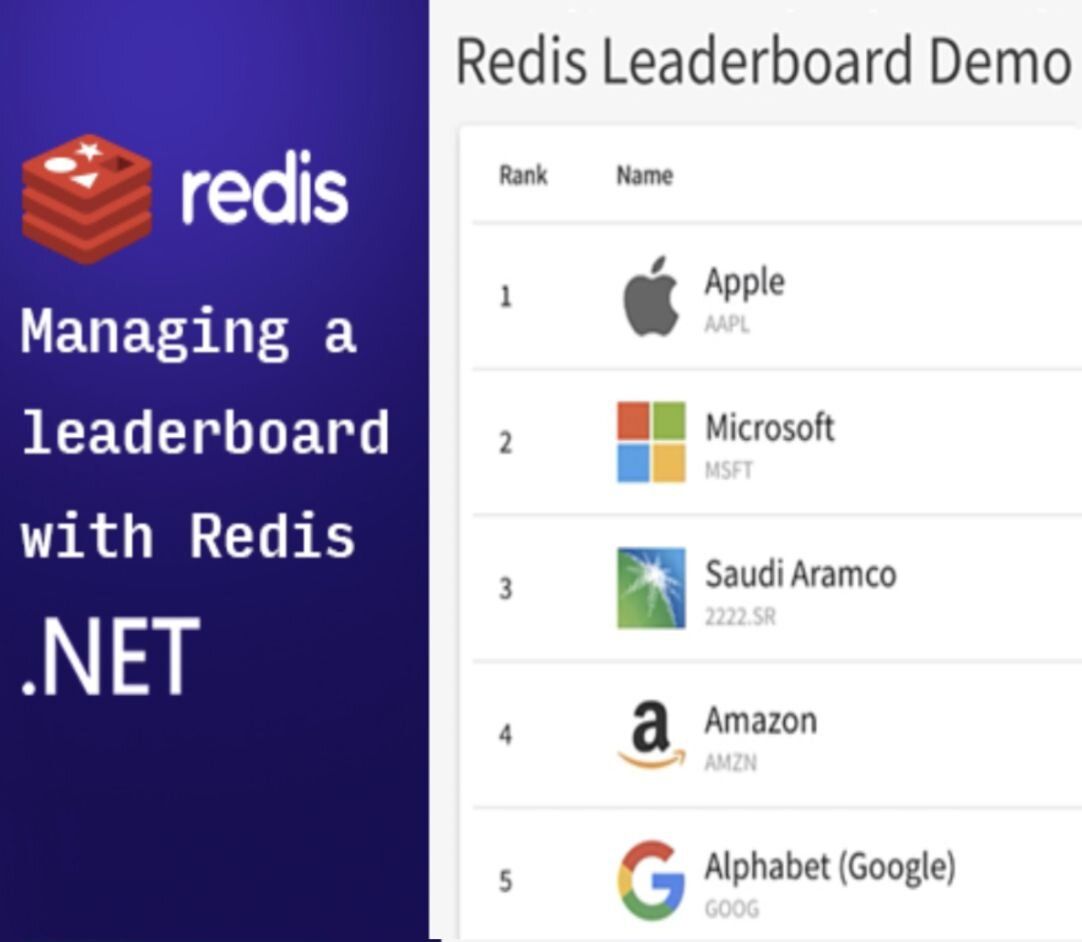
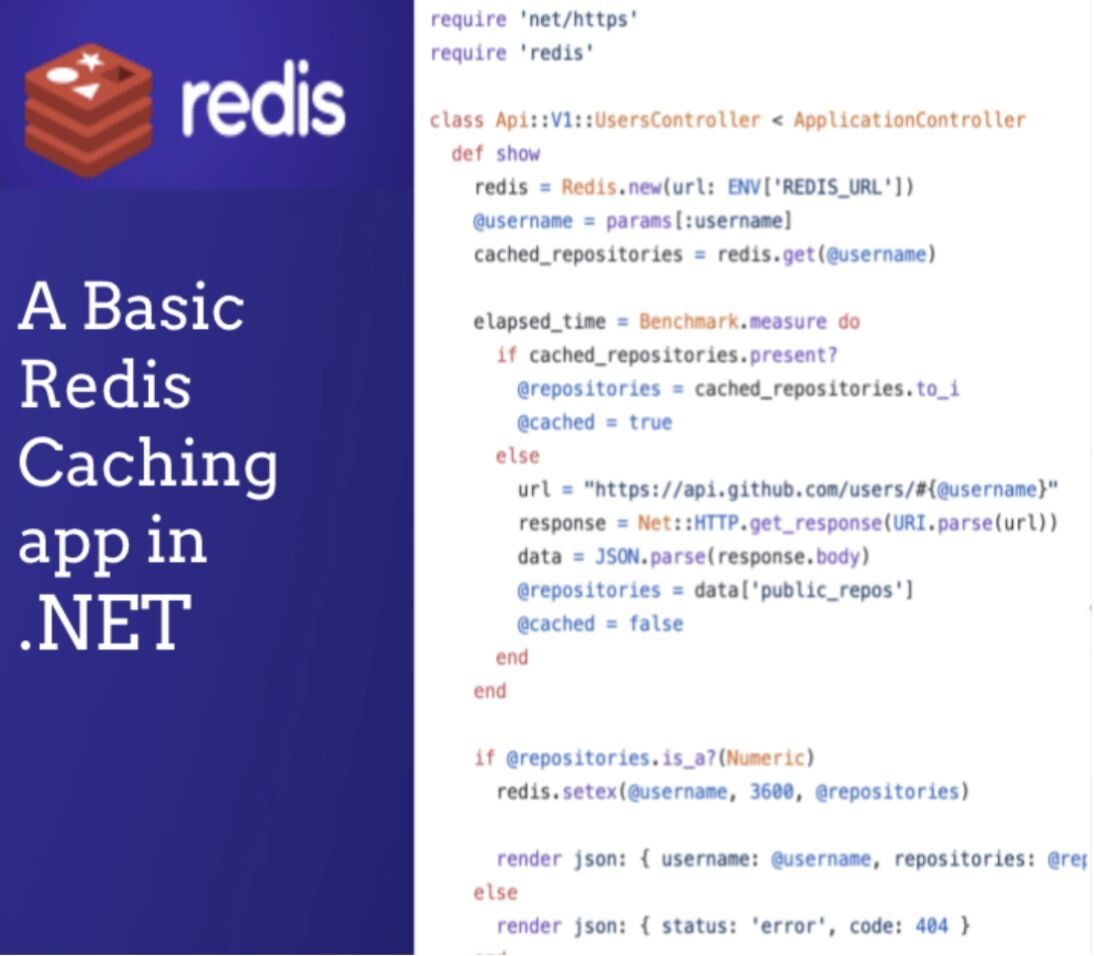
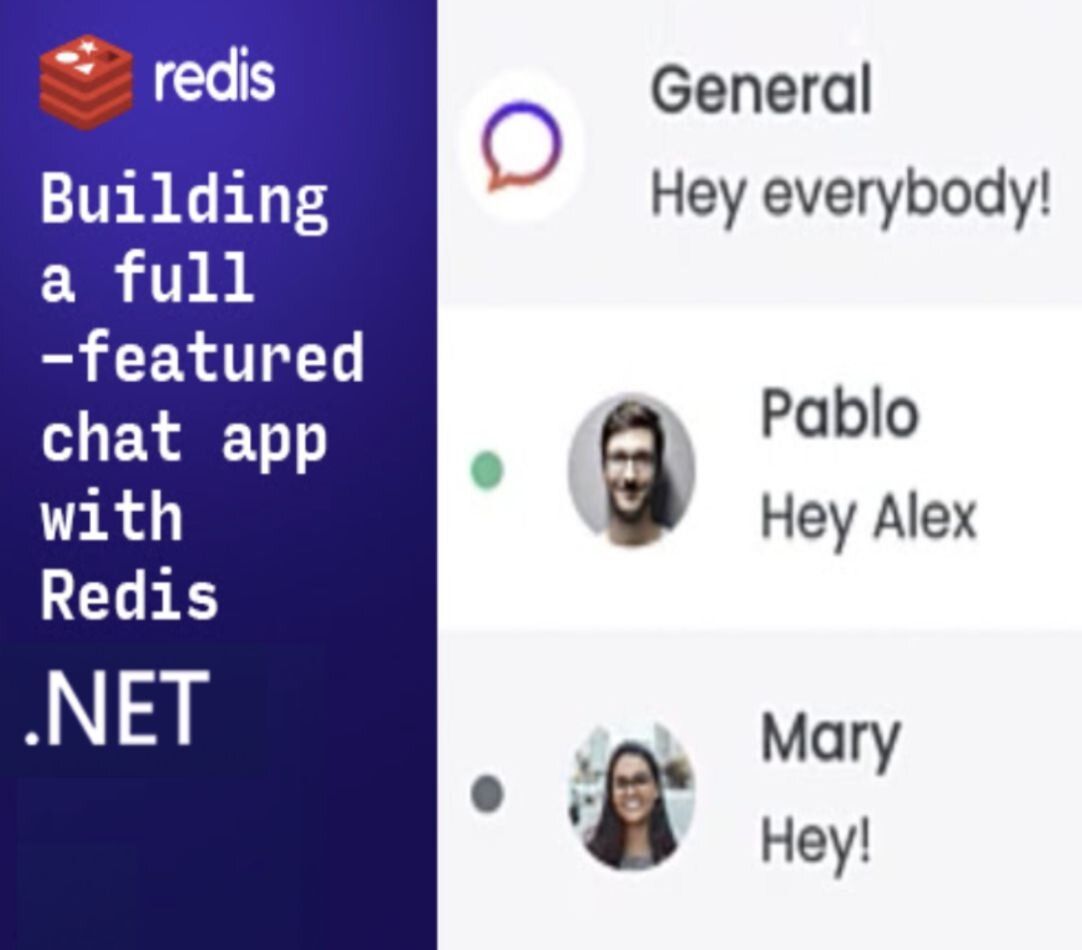
#Next steps
Now that you have StackExchange.Redis set up, explore more advanced .NET and Redis topics:
- API Caching with ASP.NET Core and Redis — reduce latency and external API costs with a Redis-backed cache
- Getting Started with Redis Streams in .NET — use Redis Streams for message brokering and event processing
- Redis OM .NET — map C# objects to Redis hashes and JSON documents with an object mapper
- Using C# with Redis — official Redis client documentation for .NET